
Bringing home a newborn often comes with a mixture of joy, excitement and concern. One of the biggest worries for new parents is keeping their baby healthy and protected from illness. Since newborns are still developing their immune systems, it is natural to wonder whether they are getting enough protection and what parents can do to support their health naturally. The good news is that newborn immunity is designed to develop gradually and intelligently over time. A baby’s immune system begins building from pregnancy itself and continues strengthening throughout infancy and early childhood. While it is impossible to prevent every cough, cold or infection, there are many gentle and effective ways to support immunity development in infants naturally. From the remarkable breast milk immunity benefits to healthy sleep, hygiene, nutrition and emotional bonding, several everyday parenting practices play a role in strengthening your baby’s immune system.
This article explores how newborn immunity works, signs of weak immunity in babies, and practical ways to boost your baby’s natural defences during the early months and beyond.
Summary
Newborn babies are born with immature immune systems that continue developing throughout infancy. During the first few months, babies rely heavily on antibodies passed from the mother during pregnancy and through breast milk. Parents can support newborn immunity naturally through breastfeeding, proper nutrition, vaccinations, hygiene, sleep, tummy time, emotional bonding and a healthy home environment. After six months, introducing nutritious solids also contributes to stronger immunity. Frequent mild illnesses during infancy are often part of normal immune development. However, repeated severe infections, poor weight gain or delayed recovery may sometimes indicate weak immunity in babies and should be evaluated by a doctor.
Understanding Newborn Immunity
The immune system is the body’s natural defence mechanism against infections, viruses and harmful germs. However, newborn immunity is very different from adult immunity.
When babies are born, their immune systems are still immature. During pregnancy, mothers pass protective antibodies to the baby through the placenta. These antibodies help protect the newborn in the early months of life while their own immune system gradually learns to respond to germs and infections.
This means that immunity development in infants is a process rather than an instant achievement.
As babies grow, their immune systems become stronger through:
- Breastfeeding
- Exposure to everyday environmental microbes
- Vaccinations
- Nutrition
- Sleep and healthy growth
- Mild infections that help “train” the immune system
Parents often expect babies to never fall ill if immunity is strong, but occasional minor infections are actually part of normal immune learning.
Why the Early Months Matter for Immunity
The first year of life is extremely important for immune development. During this phase, the baby’s body is constantly learning how to recognise and respond to different microorganisms.
A newborn’s immune responses are not fully mature, which is why babies can be more vulnerable to infections in the early months. At the same time, this period offers a valuable opportunity to support the immune system through healthy daily habits.
Rather than searching for miracle immunity boosters, it is more effective to focus on creating an environment that supports healthy development naturally.
Breast Milk Immunity Benefits
One of the most powerful natural supports for newborn immunity is breast milk.
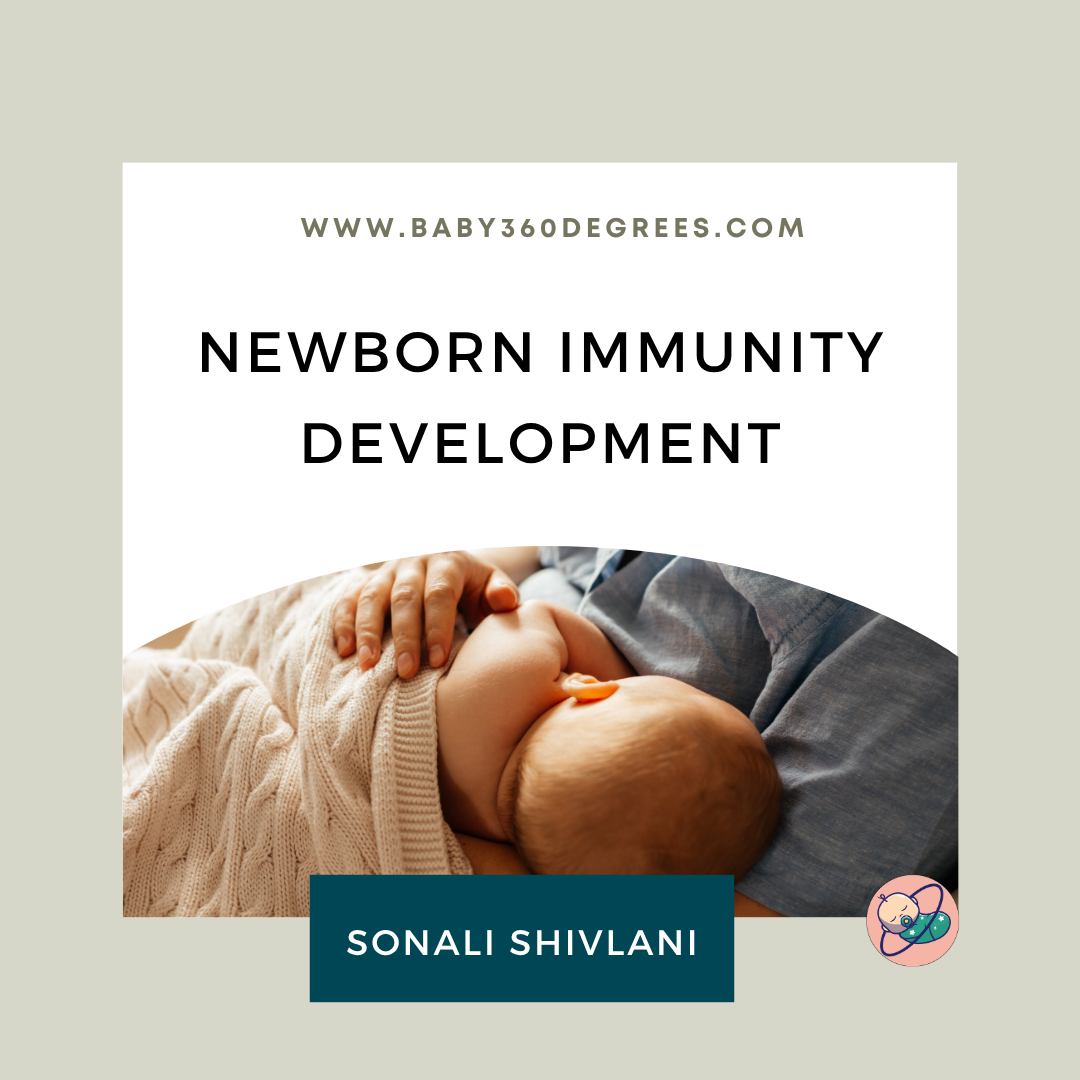
Breast milk is not simply food. It is a living fluid packed with antibodies, immune cells, enzymes and protective compounds that help defend babies against infections.
The first milk, known as colostrum, is especially rich in immune-supportive properties and is sometimes referred to as “liquid gold”. Even small amounts provide valuable protection.
Some important breast milk immunity benefits include:
- Protection against respiratory infections
- Reduced risk of diarrhoea and stomach infections
- Support for healthy gut bacteria
- Lower risk of ear infections
- Immune support during illness
- Easier digestion
Interestingly, breast milk changes according to the baby’s needs. When babies are unwell, the composition of breast milk can adapt to provide additional immune support.
Exclusive breastfeeding is recommended for the first six months wherever possible, though any amount of breast milk can still offer benefits.
It is also important to remember that mothers should not feel guilty if breastfeeding is difficult or not possible. Immunity is influenced by many factors, and formula-fed babies can also grow into healthy children with strong immune systems.
The Role of the Gut in Baby Immunity
A large part of the immune system is closely connected to the gut. Healthy gut bacteria help regulate immune responses and protect against harmful organisms.
During birth and early feeding, babies begin developing their gut microbiome — the collection of beneficial bacteria living in the digestive system.
Skin-to-skin contact, breastfeeding and reducing unnecessary antibiotic exposure can support healthy gut development.
After six months, introducing a variety of nutritious foods also helps build a healthy microbiome.
Baby Immunity Foods After 6 Months
Once babies begin complementary feeding around six months, nutrition becomes another important part of immunity development in infants.
Parents often ask about baby immunity foods after 6 months and whether certain foods can “boost” immunity instantly. In reality, no single food works like magic. Instead, a balanced and varied diet supports the body’s natural defence system over time.
Some helpful foods include:
Fruits Rich in Vitamin C
Fruits such as oranges, strawberries, kiwi and papaya provide vitamin C, which supports immune function.
Vegetables
Colourful vegetables like carrots, pumpkin, spinach and sweet potatoes provide vitamins, minerals and antioxidants important for growth and immunity.
Protein-Rich Foods
Protein supports tissue repair and immune function. Depending on the family’s dietary preferences, babies may receive protein from lentils, beans, yoghurt, eggs, fish or soft meats.
Yoghurt
Plain yoghurt with live cultures may support healthy gut bacteria and digestion.
Healthy Fats
Healthy fats are important for brain development and overall health. Avocado, nut powders (when age-appropriate and safely introduced) and seeds can contribute valuable nutrients.
Remember that each food must be introduced at the appropriate age and after discussion with your baby’s doctor or a child nutrition counsellor.
Sleep and Immunity: An Overlooked Connection
Sleep plays a surprisingly important role in newborn immunity.
During sleep, the body releases hormones that support growth, repair and immune regulation. Babies who are overtired may become more irritable and may struggle with recovery during illness.
Newborn sleep patterns can feel unpredictable, but creating calm sleep routines gradually helps support overall wellbeing.
Simple ways to encourage healthy sleep include:
- Maintaining a calm bedtime routine
- Avoiding overstimulation
- Ensuring comfortable room temperature
- Responding sensitively to the baby’s needs
- Encouraging adequate daytime naps
Parents should also remember that frequent waking in infancy is biologically normal and does not necessarily indicate poor health.
Hygiene Without Over-Sterilising
Good hygiene helps reduce infection risk, but excessive sterilisation is neither practical nor beneficial.
Babies need reasonable exposure to normal environmental microbes for healthy immune development.
Helpful hygiene practices include:
- Washing hands before handling the baby
- Keeping feeding equipment clean
- Avoiding contact with visibly ill individuals
- Maintaining a clean but not obsessively sterile environment
Constant disinfecting of every surface may create unnecessary stress for parents without providing major benefits.
Vaccinations and Immune Protection
Vaccinations are one of the most effective ways to support immunity development in infants.
Vaccines safely introduce the immune system to weakened or inactive germs, helping the body learn how to fight serious illnesses without experiencing the disease itself.
Vaccination schedules may vary slightly depending on the country, but staying updated with recommended immunisations is an important part of protecting newborn health.
Parents sometimes worry that vaccines may “overload” the immune system, but babies encounter thousands of germs naturally every day. Vaccines represent only a tiny and carefully studied part of immune exposure.
Fresh Air, Movement and Outdoor Time
Fresh air and gentle outdoor exposure can positively support both physical and emotional wellbeing.
Taking babies outdoors for walks, sunlight exposure at appropriate times and natural sensory experiences can support healthy development.
Tummy time and physical movement also contribute indirectly to immunity by supporting circulation, muscle strength and overall growth.
Simple outdoor routines can benefit both babies and parents emotionally.
Emotional Bonding and Immunity
Many parents are surprised to learn that emotional wellbeing also influences health and immunity.
Babies thrive on responsive caregiving, physical closeness and emotional security. Chronic stress can affect immune regulation even in infancy.
Cuddling, skin-to-skin contact, responsive feeding and comforting interactions all support healthy development.
Parents do not need to be perfect. Consistent love, warmth and responsiveness matter far more than rigid parenting rules.
Weak Immunity in Babies: Signs Parents Should Watch For
It is normal for babies and toddlers to experience occasional colds and infections. However, certain patterns may suggest the need for medical evaluation.
Some possible weak immunity in babies signs include:
- Repeated severe infections
- Frequent pneumonia or hospitalisation
- Poor weight gain
- Delayed recovery from illness
- Persistent diarrhoea
- Extreme lethargy
- Recurrent fungal infections
These signs do not automatically mean a serious problem, but they should be discussed with a paediatrician.
Most babies with frequent mild colds still have perfectly healthy immune systems.
Common Mistakes Parents Make While Trying to Boost Immunity
In their eagerness to protect their child, parents sometimes turn to unnecessary supplements or practices.
Some common mistakes include:
Overusing Antibiotics
Antibiotics are helpful for bacterial infections but do not work for viral illnesses like common colds. Unnecessary antibiotic use may disrupt healthy gut bacteria.
Giving Too Many Supplements
Not every baby needs multiple immunity supplements. Excessive supplementation without medical guidance may even be harmful.
Restricting All Outdoor Exposure
Fear of germs sometimes leads parents to avoid parks, social interaction or outdoor play entirely. Balanced exposure is healthier than complete isolation.
Comparing Babies Constantly
Every child’s immune development is unique. Some babies naturally experience more infections during daycare or seasonal changes.
Building Immunity Is a Long-Term Process
One of the most important things parents should understand is that newborn immunity develops gradually over years, not weeks.
There is no instant solution that guarantees a baby will never fall ill. Instead, the goal is to support a resilient immune system that learns, adapts and grows stronger over time.
A healthy lifestyle, loving caregiving, nutritious food and appropriate medical care together create the strongest foundation for lifelong health.
Frequently Asked Questions
How can I naturally boost my baby’s immune system?
Breastfeeding, proper sleep, nutritious foods, vaccinations, hygiene, emotional bonding and outdoor time all support healthy immunity naturally.
What are the signs of weak immunity in babies?
Repeated severe infections, poor weight gain, persistent illness and delayed recovery may sometimes indicate weak immunity in babies and should be evaluated by a doctor.
What are the breast milk immunity benefits?
Breast milk provides antibodies, immune cells and nutrients that help protect babies from infections while supporting healthy gut bacteria and immune development.
Which baby immunity foods after 6 months are most helpful?
Fruits, vegetables, protein-rich foods, yoghurt and healthy fats all support immunity development in infants when offered as part of a balanced diet.
Final Thoughts
Supporting newborn immunity is less about searching for miracle products and more about building healthy everyday habits. Breastfeeding, nutrition, sleep, vaccinations, emotional security and responsive caregiving all contribute to stronger immunity development in infants.
Parents should remember that occasional illness is a normal part of childhood and often helps the immune system learn and mature. Rather than aiming for a germ-free life, focus on creating a balanced, healthy and nurturing environment for your baby.
With patience, consistency and informed care, your baby’s immune system will continue growing stronger day by day.
About the Author
Sonali Shivlani is one of India’s leading pregnancy and parenting experts with over 22 years of experience supporting expectant parents and young families. She is the founder of Baby360degrees and has worked with more than 45,000 families through pregnancy classes, parenting workshops and educational programmes. Sonali is also the Director of CAPPA India and the author of several books on pregnancy, parenting and maternal wellness.