
Creating a safe sleep environment is one of the most important steps parents can take to protect their baby in the early months and years of life. From choosing the right sleep surface and position to understanding room-sharing, temperature control, and common myths around infant sleep, this article walks new parents through everything they need to know – clearly, calmly, and confidently. Evidence-based guidance, practical tips, and reassurance are woven together to help families make informed choices without fear or overwhelm.
Why Safe Sleep Matters More Than You Think
Few topics generate as much anxiety among new parents as baby sleep. How should my baby sleep? Where should they sleep? Is this blanket safe? What if they roll over? The truth is that while infant sleep can feel complicated, safe sleep environments are built on a few well-researched, consistent principles that significantly reduce the risk of sleep-related incidents, including Sudden Infant Death Syndrome (SIDS).
Safe sleep is not about perfection—it is about risk reduction. When parents understand why certain recommendations exist, they are far more likely to follow them confidently and consistently. This article aims to explain not just the “what” but also the “why” behind safe sleep guidelines, empowering parents to make choices that work for their family while keeping their baby protected.
Understanding What “Safe Sleep” Really Means
A safe sleep environment refers to the conditions in which a baby sleeps, including sleep position, surface, surroundings, and supervision. International guidelines consistently highlight three core principles, often referred to as the ABC of safe sleep:
- Alone – without loose items or soft bedding
- Back – always placed on their back to sleep
- Cot – on a firm, flat sleep surface designed for infants
These principles apply to all sleep times—daytime naps as well as night sleep—and are especially crucial in the first year of life.
Sleep Position: Why “Back Is Best”
Placing babies on their backs to sleep is one of the most well-established safe sleep recommendations. Babies who sleep on their backs have clearer airways and better oxygenation, reducing the risk of breathing difficulties during sleep.
A common worry among parents is choking. However, healthy babies have natural protective reflexes that make choking less likely when lying on their backs. In contrast, stomach or side sleeping increases the risk of airway obstruction.
Even if your baby seems to sleep more deeply on their tummy, back sleeping remains the safest choice. Once a baby can independently roll both ways, parents can continue placing them on their back and allow them to find their own position.
The Right Sleep Surface: Firm, Flat, and Purpose-Built
Babies should always sleep on a firm, flat mattress that fits snugly within a cot, crib, or bassinet that meets current safety standards. Soft surfaces increase the risk of the baby’s face sinking in, which can interfere with breathing.
Sleep surfaces to avoid include:
- Sofas or armchairs
- Adult beds without safety modifications
- Cushioned mattresses or pillows
- Car seats, swings, or bouncers for routine sleep
While babies may doze off in some of these spaces temporarily, they are not designed for safe, unsupervised sleep and should not replace a proper sleep surface.
Bedding and the Cot Environment: Less Is Truly More
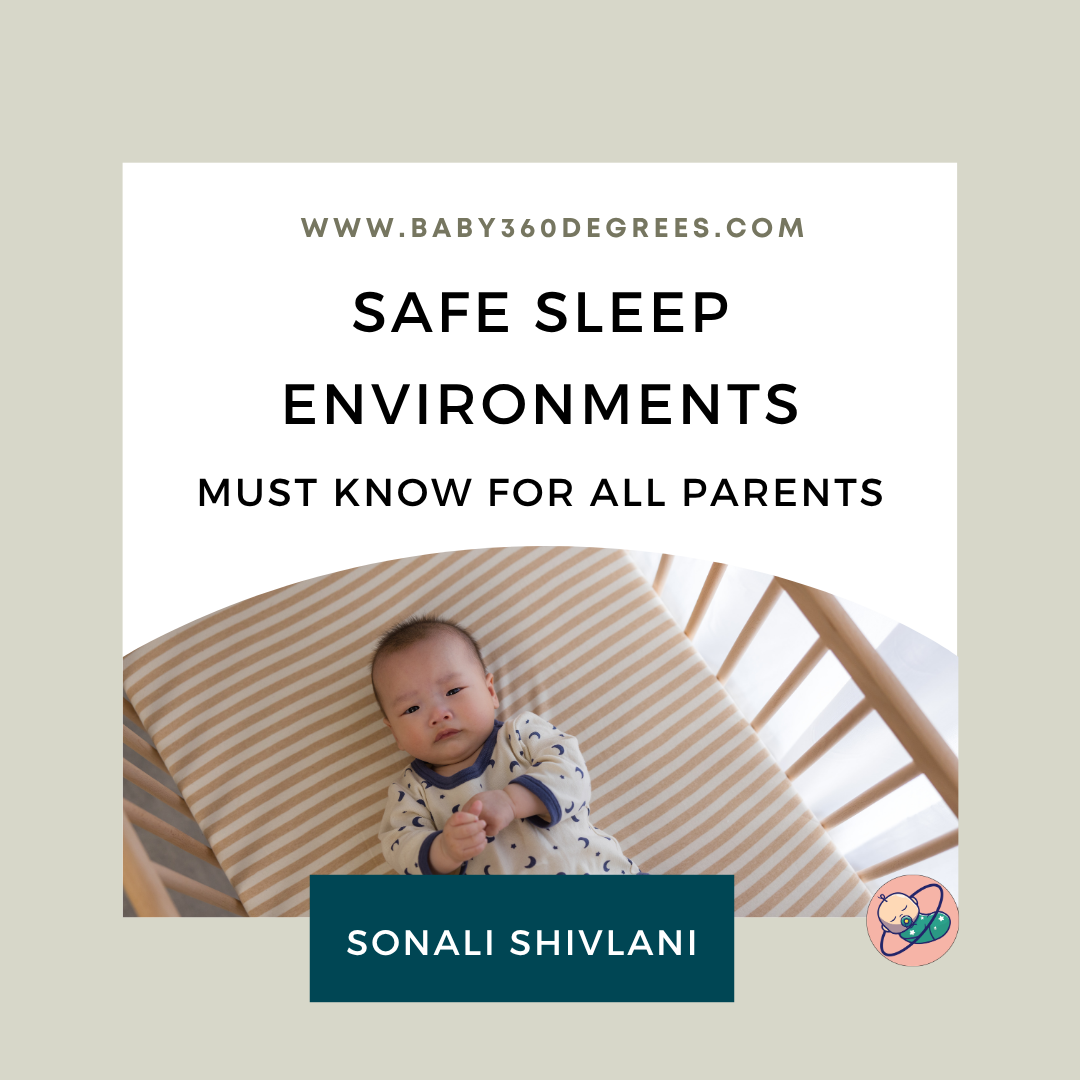
A safe cot is surprisingly minimal. Babies do not need pillows, duvets, bolsters, soft toys, loose blankets, or sleep positioners. These items, while often marketed as comforting or protective, can pose suffocation or entrapment risks.
The safest cot setup includes:
- A firm mattress
- A fitted sheet only
- A baby placed on their back with feet near the foot of the cot
If warmth is a concern, a well-fitted sleep sack appropriate for the room temperature is a safer alternative to blankets.
Room Temperature and Clothing: Keeping Baby Comfortable, Not Overheated
Overheating is a recognised risk factor for sleep-related incidents. Babies should be dressed appropriately for the ambient temperature, generally in one layer more than an adult would wear in the same room.
The recommended room temperature for infant sleep is usually between 16–20°C. Signs that a baby may be too warm include sweating, flushed skin, or a hot chest. Hands and feet may feel cool and are not reliable indicators of body temperature.
Hats should not be worn indoors during sleep, as babies regulate heat through their head.
Room-Sharing vs Bed-Sharing: Understanding the Difference
Room-sharing—where the baby sleeps in their own cot in the same room as the parents—is recommended for at least the first six months. This arrangement allows parents to respond quickly to feeding and comfort needs while reducing sleep-related risks.
Bed-sharing, on the other hand, requires careful consideration. While some families choose to bed-share, it is not recommended in certain situations, such as when:
- A parent smokes or has smoked during pregnancy
- Alcohol or sedating medication has been consumed
- The baby was born prematurely or with low birth weight
Parents who do bed-share should seek evidence-based guidance to minimise risks rather than relying on assumptions or cultural norms alone.
Daytime Sleep and Naps: Safety Still Applies
Safe sleep guidelines apply just as much during the day as they do at night. Naps should ideally happen in a cot or bassinet with the same safe setup. Allowing regular naps on sofas or adult beds, even under supervision, increases the risk of accidental falls or breathing obstruction.
Consistency in sleep environments also helps babies develop healthier sleep patterns over time.
Common Myths Around Infant Sleep
Many unsafe sleep practices stem from well-meaning advice passed down through generations. While experience matters, research has significantly evolved.
Some common myths include:
- “Babies sleep better on their tummy”
- “Soft bedding is more comfortable”
- “Light blankets are harmless”
Understanding that comfort and safety are not always the same thing helps parents prioritise what truly protects their baby.
Frequently Asked Questions
1. When can my baby start using a pillow or blanket?
Pillows and loose blankets are not recommended during the first year of life. A sleep sack is a safer option for warmth.
2. Is it safe if my baby rolls onto their tummy while sleeping?
Once a baby can roll independently both ways, it is generally safe to allow them to find their own sleep position. Continue placing them on their back initially.
3. Can my baby sleep in a car seat at home?
Car seats are designed for travel, not routine sleep. Prolonged sleep in a car seat outside of travel can affect breathing and should be avoided.
4. Do monitors reduce the risk of sleep-related incidents?
Breathing or movement monitors do not replace safe sleep practices. They may provide reassurance but should not be relied upon as a safety measure.
Building Confidence Through Knowledge
Safe sleep does not require expensive products or complex routines. It requires awareness, consistency, and informed decision-making. When parents understand the reasons behind safe sleep guidelines, fear is replaced by confidence, and routines become easier to follow.
Every family’s situation is different, but the foundation of safe sleep remains the same: a clear, calm, and clutter-free environment where babies can rest securely and parents can rest with peace of mind.
About the Author
Sonali Shivlani is a pregnancy and parenting consultant with over 20 years of experience working with families during pregnancy, birth, and the postpartum period. She is the founder of Baby360degrees, an author, educator, and international trainer for birth professionals. Through her classes, workshops, and online programmes, Sonali has supported over 45,000 families, empowering parents with practical, evidence-based guidance to navigate early parenthood with confidence.