

Summary
Toe walking in toddlers is common, particularly when children are learning to walk, and many children gradually develop a normal heel-to-toe walking pattern without treatment. Some children continue walking on their toes because it has become a habit, while others may have tight calf muscles, sensory preferences or, less commonly, an underlying neurological, muscular or orthopaedic condition. The important question is not simply “Does my child toe walk?” but rather “How, when and why does my child toe walk?”
If your child can comfortably stand with their heels down, walks normally at least some of the time, runs and plays well, and has no pain or other developmental concerns, toe walking is often less worrying. Persistent, one-sided, painful or suddenly developing toe walking should, however, be assessed by a healthcare professional. (NHS Inform)
Why does my child walk on their toes? A guide to toe walking in toddlers and children
You look across the room and there it is again: your toddler is happily marching around the house on tiptoes.
Perhaps they have always done it. Perhaps they do it only when they are excited. Maybe they walk flat-footed in their shoes but immediately go up on their toes when barefoot. Or perhaps you have started wondering whether something is wrong because your three-year-old still seems determined to walk like a tiny ballerina.
Why does my child walk on their toes? Is toe walking normal? When should parents worry about toe walking? Does toe walking mean autism? Can it cause tight calf muscles or other problems?
These are very common questions.
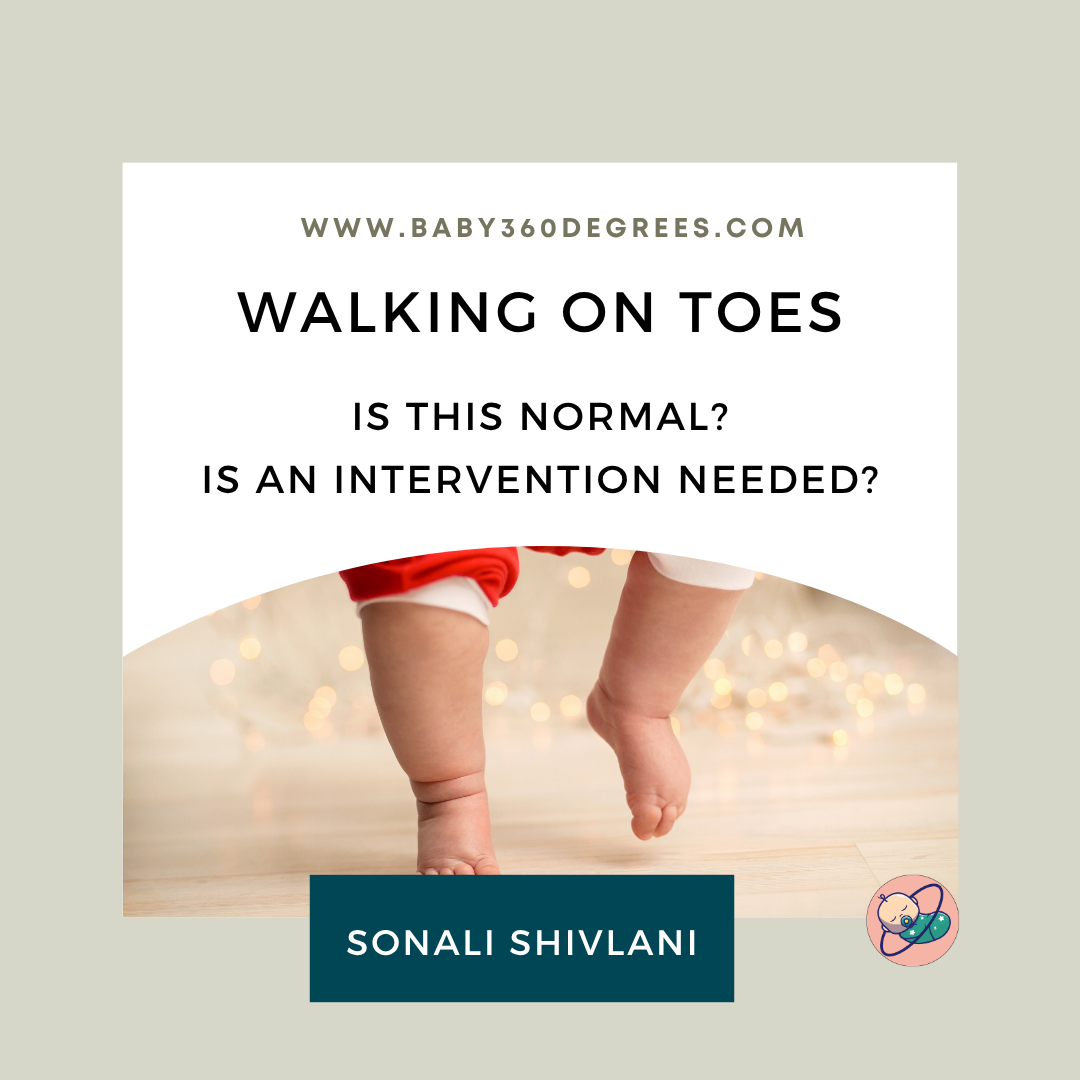
Toe walking, also called tiptoe walking, is a walking pattern in which a child spends much of their time walking on the balls of their feet without allowing the heels to touch the floor. It is particularly common while children are learning to walk. Many children eventually stop doing it naturally. (NHS Inform)
For some children, however, toe walking continues beyond the early walking years. When no underlying neurological, muscular or orthopaedic cause is found, healthcare professionals may use the term idiopathic toe walking or habitual toe walking.
The reassuring news is that persistent toe walking does not automatically mean there is a medical problem. At the same time, persistent toe walking should not simply be dismissed in every child. Looking at the whole child gives us much more useful information than looking at their feet alone.
Is toe walking normal when children first learn to walk?
Yes.
When babies and toddlers are developing their walking skills, they experiment with different positions of their feet. Walking on tiptoes can be part of this process, particularly during the early stages of walking.
Some children toe walk more when they are:
- excited
- tired
- barefoot
- running rather than walking
- walking on particular surfaces
- concentrating on a new physical skill.
Several NHS paediatric physiotherapy resources describe tiptoe walking as a normal part of early walking development, with many children gradually moving towards a more typical heel-to-toe pattern as they mature. (NHS Inform)
So if your newly walking toddler occasionally rises onto their toes, there is usually no need to panic.
The more relevant question is whether toe walking continues frequently as your child’s walking skills mature.
What is idiopathic toe walking?
The word idiopathic sounds rather complicated, but it simply means there is no identified underlying cause.
Idiopathic toe walking generally describes a child who:
- walks on their toes on both feet
- has otherwise typical development
- has a normal neurological and musculoskeletal examination
- has no known condition explaining the walking pattern.
The 2024 British Society for Children’s Orthopaedic Surgery consensus statement defines idiopathic toe walking as bilateral toe walking that began when the child started walking and persists beyond the age of two, without an associated known neurological condition. (BSCOS)
Interestingly, some children with idiopathic toe walking can easily put their heels down when asked to do so. They may walk flat-footed when concentrating but return to tiptoeing as soon as they become distracted.
This can be an important clue that the child has developed a walking habit rather than being physically unable to place their heels on the floor. (OrthoInfo)
Why does my child continue to walk on their toes?
There isn’t one universal explanation.
For some children, toe walking simply becomes their preferred way of moving. Once a child repeatedly walks in a particular pattern, the muscles involved can gradually adapt to that pattern.
Other possible contributing factors include:
1. Habit
Perhaps the child discovered that walking on their toes felt comfortable, fun or efficient, and it simply became their default walking pattern.
This is one of the most common explanations for idiopathic toe walking.
2. Calf muscle tightness
The calf muscles and Achilles tendon play an important role in controlling the ankle and heel during walking.
If these tissues become tight, it can become increasingly difficult for the child to place the heel comfortably on the floor. Persistent toe walking can itself contribute to calf and Achilles tendon tightness, creating something of a cycle: toe walking → reduced ankle movement → more difficulty getting the heel down → continued toe walking. (OrthoInfo)
3. Sensory preferences
Some children dislike the sensation of certain surfaces against their feet.
Bare feet on cold tiles, grass, sand or particular textures may feel uncomfortable or simply different. A child may respond by lifting their heels and walking on their toes.
Sensory processing differences can be associated with toe walking, but toe walking by itself does not establish a sensory disorder or any other diagnosis. (OrthoInfo)
4. Balance and muscle control
Some children may find the toe-walking position helpful for balance or movement control. Differences in core strength, lower-limb strength or coordination may sometimes contribute to the walking pattern. (Healthier Together)
Does toe walking mean my child has autism?
This is probably one of the biggest worries parents have after searching online for information about toe walking.
The answer is no — toe walking does not mean that a child has autism.
Children with autism spectrum conditions may toe walk more frequently than children who are developing typically, and sensory differences may contribute to toe walking in some children. However, there is no direct relationship in which toe walking itself indicates autism. (OrthoInfo)
If a child has other developmental differences involving communication, social interaction, play, behaviour or sensory processing, those concerns should be discussed with a paediatrician in their own right.
It is therefore much more useful to look at the whole developmental picture rather than trying to diagnose a child from a single physical characteristic.
Could toe walking be caused by a medical condition?
In a small proportion of children, persistent toe walking can be associated with an underlying condition.
These can include neurological or neuromuscular conditions such as:
- cerebral palsy
- muscular dystrophy
- certain nerve or muscle disorders
- spinal cord abnormalities
- other conditions affecting movement or muscle tone.
Importantly, these conditions usually have other signs or examination findings, which is why a proper assessment matters when there are concerns. (OrthoInfo)
For example, a child with cerebral palsy may have increased muscle tone, stiffness or other movement differences. A child with a neuromuscular disorder may have weakness or difficulty with activities that previously came easily.
This is very different from a healthy, active child who happens to spend some of their day walking on tiptoes.
One of the most useful questions: Can your child get their heels down?
This is something parents can observe without turning the living room into a paediatric physiotherapy clinic.
When your child is standing, can they comfortably stand with both feet flat on the floor?
Can they walk with their heels down when you ask?
Can they squat, climb, run, jump and play normally?
Can they move their ankles reasonably freely?
A child who occasionally toe walks but can easily stand and walk with their heels down is generally a different situation from a child who physically cannot place their heels on the floor.
An inability to get the heels down, particularly when combined with stiffness or restricted ankle movement, warrants professional assessment. (NHS Inform)
When should parents be concerned about toe walking?
Toe walking deserves closer attention if it is persistent or accompanied by other symptoms.
Speak to your child’s paediatrician, GP or paediatric physiotherapist if:
- your child consistently walks on their toes beyond the early walking years
- they cannot put their heels flat on the ground
- toe walking is only on one side
- one leg appears different from the other
- your child suddenly starts toe walking after previously walking normally
- their legs appear stiff
- their ankles seem unusually tight
- they complain of calf, foot or leg pain
- they fall frequently or have significant balance problems
- they have difficulty running, jumping or participating in activities they previously managed
- there are concerns about muscle weakness
- there are other developmental or neurological concerns.
The NHS specifically highlights one-sided toe walking, sudden onset, inability to place the heels down, stiffness, balance or activity difficulties, and calf pain as reasons to seek professional advice. (NHS Inform)
The sudden onset point is particularly important.
A child who has always occasionally walked on their toes is different from a child who suddenly begins toe walking after previously having a normal heel-to-toe gait.
Does persistent toe walking damage the feet?
This is another area where online information can cause unnecessary anxiety.
Idiopathic toe walking does not automatically mean that a child’s feet are being damaged.
Many children who toe walk have no pain and continue to run, jump and participate in normal physical activities. (Healthier Together)
However, prolonged toe walking can become more significant if the calf muscles and Achilles tendon become increasingly tight. A child who initially could put their heels down may gradually lose that ability.
This is one reason an assessment can be useful if toe walking persists rather than simply assuming the child will definitely grow out of it.
The aim is not to frighten parents into treatment. It is to identify children who may benefit from monitoring, physiotherapy or, in selected cases, further intervention.
Does every child who toe walks need physiotherapy?
No.
Treatment depends on the child’s age, physical examination, ability to place their heels down, symptoms and whether an underlying cause has been identified.
For a young child who can easily walk flat-footed, has no pain and has normal development and physical examination, healthcare professionals may recommend observation and monitoring rather than immediate treatment. (Gateshead Health)
If there is calf or Achilles tightness, a paediatric physiotherapist may recommend an individualised programme involving stretching, strengthening and activities designed to encourage a more typical gait.
More persistent or severe cases may sometimes require additional approaches such as orthoses, casting or other orthopaedic treatment. These decisions should be made after an appropriate assessment rather than based on a generic exercise programme found online. (OrthoInfo)
What can parents do at home?
If your child has already been assessed and there is no underlying medical problem, everyday movement can be helpful.
Encourage lots of opportunities for active play:
- walking
- climbing
- squatting
- dancing
- kicking a ball
- jumping
- playground activities
- walking on different safe surfaces.
You can also make movement games fun rather than repeatedly saying, “Put your heels down!”
For example, encourage your child to:
Walk like a penguin.
Squat down to pick up toys.
Stand like a superhero with both feet flat.
Walk slowly along a pretend railway track.
The purpose is not to constantly correct your child but to give them opportunities to explore different movement patterns.
If a physiotherapist has prescribed stretches or exercises, these should take priority over generic online suggestions.
Should I buy special shoes to stop my child toe walking?
Parents often wonder whether firmer shoes, high-top shoes or special footwear will solve toe walking.
There is no one type of shoe that is appropriate for every toe-walking child.
Some children may toe walk less in shoes simply because the footwear changes the sensory feedback they receive or makes the walking pattern more difficult. But this does not necessarily address the underlying reason for toe walking.
If there is persistent toe walking, it is better to have your child’s gait assessed before investing in special shoes, insoles or braces.
A simple way to observe your child’s toe walking
Rather than focusing on every single step your child takes, observe their movement across several situations.
Ask yourself:
When?
Do they toe walk all the time or only occasionally?
Where?
Does it happen mainly at home, barefoot, outdoors or on particular surfaces?
When?
Is it more noticeable when they are tired or excited?
Both sides?
Do they do it equally on both feet?
Heels?
Can they stand and walk with their heels down when asked?
Movement?
Can they run, jump, climb and squat comfortably?
Symptoms?
Is there pain, stiffness, frequent falling or difficulty keeping up with other children?
Development?
Are there any other developmental concerns?
These observations can be extremely useful when speaking to your child’s paediatrician or physiotherapist.
Frequently Asked Questions About Toe Walking in Children
1. Is toe walking normal in a two-year-old?
Toe walking can still occur around this age, particularly if the child can also walk with their heels down and has otherwise typical development. However, persistent toe walking beyond age two is generally worth mentioning to a healthcare professional, particularly if it is frequent or the child cannot get their heels down. (NHS Inform)
2. Should I worry if my three-year-old walks on their toes?
Not necessarily. Many children with persistent toe walking have no underlying medical condition. However, by this age it is useful to have the child’s gait assessed if toe walking is frequent, particularly if they cannot walk with their heels down, have pain, stiffness, balance difficulties or other developmental concerns. (NHS Inform)
3. Does toe walking mean my child has autism?
No. Toe walking can occur in children with autism and may sometimes be related to sensory differences, but toe walking alone is not an indicator or diagnosis of autism. Look at your child’s overall development, communication, social interaction and behaviour rather than focusing on toe walking in isolation. (OrthoInfo)
4. Will my child grow out of toe walking?
Many children do. Toe walking is common during early walking development and many children gradually adopt a heel-to-toe walking pattern as they grow. Some children continue for longer, and persistent toe walking may sometimes require monitoring or treatment, particularly if the calf muscles become tight or the child develops pain or functional difficulties. (NHS Inform)
The bottom line: when should you worry about toe walking?
If your toddler occasionally wanders around on tiptoes, particularly when excited or barefoot, there is usually no reason to panic.
Toe walking is a common part of early childhood movement development, and many children naturally move towards a heel-to-toe gait as their balance, coordination and strength mature.
The situation becomes more important to investigate when toe walking is persistent, one-sided, painful, associated with stiffness or weakness, suddenly appears after a previously normal walking pattern, or prevents the child from putting their heels down. (NHS Inform)
And remember: your child’s walking pattern is only one small part of their overall development.
Instead of asking, “Why is my child walking like this? Something must be wrong,” a more useful question is:
“What does my child’s overall movement tell me, and are there any other signs that need attention?”
Sometimes the answer is simply: “They have discovered tiptoes and quite like them.”
And sometimes, a little professional assessment is all that is needed to understand why.
About the author
Sonali Shivlani is an Internationally Certified Pregnancy and Parenting Consultant, Senior Trainer and Director of CAPPA India, and founder of Baby360degrees. With more than 22 years of experience in pregnancy, newborn and parenting education, she has worked with over 45,000 families and trained hundreds of birth professionals across India. Sonali is also the author of Prenatal Fitness 360, Parenting Mantras and SuperMoms Recipes. Her approach combines evidence-based information with practical, realistic guidance that takes into account the everyday experiences of Indian families.