
Summary:
Breastfeeding is more than a way to feed your baby. It is a powerful emotional and biological experience that nurtures connection, builds security, and supports both mother and baby in the early weeks and beyond. This article explores the science, the emotional journey, the myths, and the practical aspects of how breastfeeding shapes the parent–baby bond.
Introduction: Breastfeeding, Bonding, and the Beautiful Beginning
Bonding with your baby is one of the most treasured aspects of early parenthood. For many families, breastfeeding becomes a natural pathway to forming this connection. While it is widely celebrated as the ideal source of infant nutrition, breastfeeding’s role goes far beyond nourishment. It lays the foundation for emotional closeness, secure attachment, and a deep mutual understanding between a parent and a baby.
In modern parenting discussions, keywords such as breastfeeding bond, mother–infant connection, skin-to-skin benefits, and maternal wellbeing often appear. Yet few truly unpack how breastfeeding creates this profound relational bridge. Whether you are an expectant parent preparing for your breastfeeding journey, a new mother navigating the early feeds, or simply curious about the science behind attachment, this article offers a comprehensive and reassuring exploration.
The Biology of Connection: How Breastfeeding Enhances Bonding
Bonding is not just an emotional experience; it is a physiological process. When a mother breastfeeds, her body releases oxytocin, commonly known as the love hormone. Oxytocin helps the milk flow and also induces feelings of calm, relaxation, and emotional closeness. This hormonal interplay supports mothers in adjusting to the early postpartum period and fosters sensitivity towards their newborn’s cues.
For the baby, breastfeeding regulates temperature, heart rate, and breathing patterns. Being held close, hearing your heartbeat, feeling your touch, and smelling your scent provide familiarity and comfort. Over time, this sensory recognition evolves into security, which is the foundation of healthy attachment.
Interestingly, research shows that oxytocin is released in both the mother and the baby during breastfeeding, creating a synchronised response. This shared hormonal experience encourages eye contact, soothing interactions, and early communication patterns, which lay the groundwork for trust and emotional development.
The Emotional Journey: More Than Just Feeding
Breastfeeding invites moments of stillness in the otherwise chaotic world of newborn parenting. Those minutes spent cradling your baby are opportunities to slow down, observe, learn, and respond. Even on challenging days, the rhythm of feeding encourages connection.
Many mothers describe breastfeeding as the first time they truly tune in to their baby. You learn the difference between hunger cues and comfort cues. You begin to understand the subtle shifts in their body language. You experience the quiet thrill of your baby pausing mid-feed to look up at you, often with that milky half-smile that melts your heart.
This emotional synchronicity is not about perfection; it is about presence. Even when feeds feel frequent, long, or exhausting, the closeness they bring subtly strengthens your relationship. Over weeks and months, the repeated experience of meeting your baby’s needs builds a reliable bond rooted in trust and predictability.
Skin-to-Skin Contact: A Simple Yet Powerful Tool
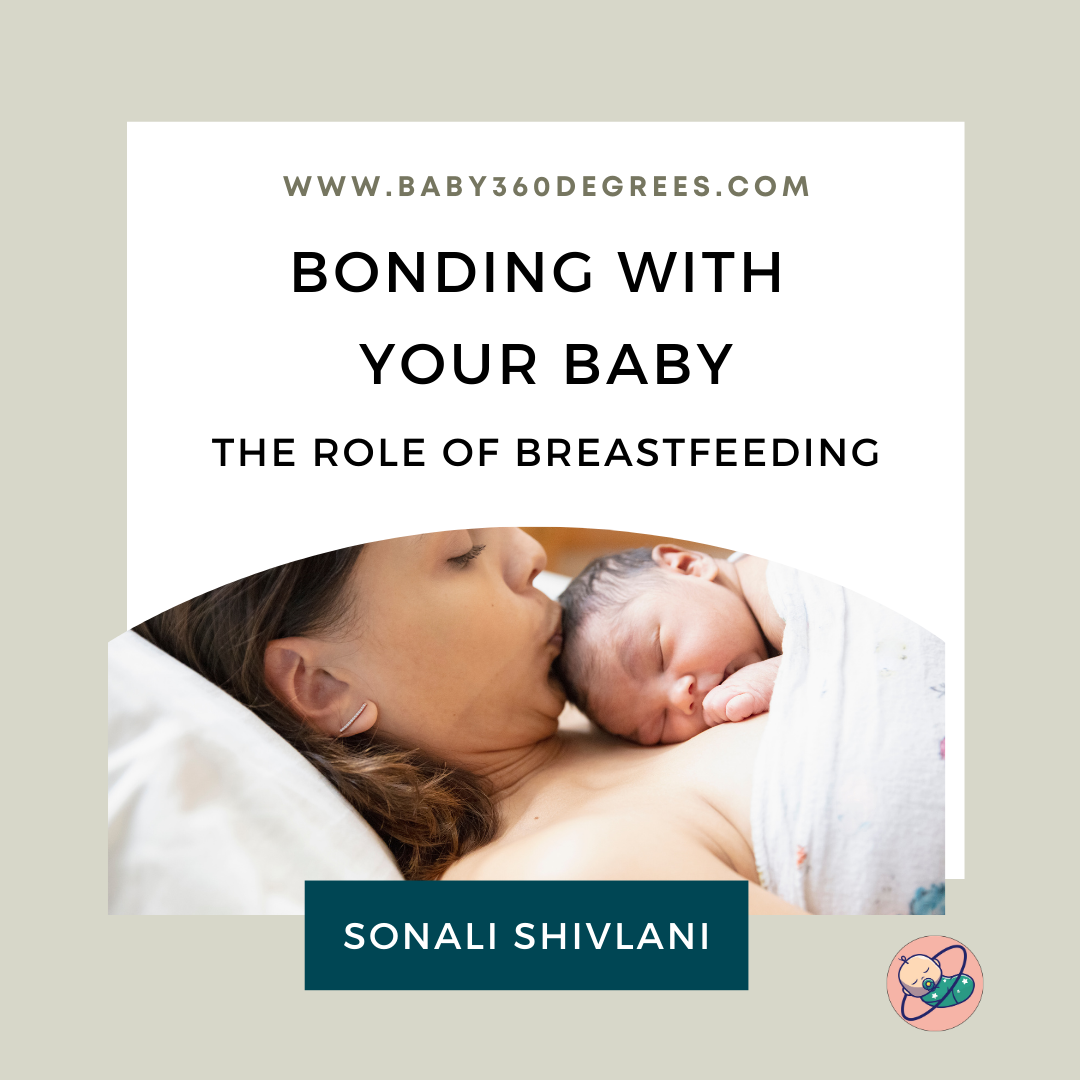
Skin-to-skin contact, often practised immediately after birth and encouraged throughout the breastfeeding journey, is one of the most effective ways to enhance bonding. It stimulates oxytocin release, helps babies latch more easily, and boosts milk supply.
But the benefits extend beyond hormones:
- Babies cry less and settle faster during skin-to-skin.
- Parents gain confidence as they see how quickly they can soothe their baby.
- The baby’s sensory world becomes rich with familiar signals: your warmth, scent, and voice.
Skin-to-skin can also be shared by partners, encouraging their own bonding experience and supporting the overall emotional health of the family. While the breastfeeding parent naturally gets more frequent close contact, partners can hold the baby skin-to-skin after feeds or during naptime, creating their own meaningful moments of connection.
Bonding Through Challenges: What If Breastfeeding is Not Easy?
It is important to remember that breastfeeding, while natural, does not always come naturally. Many mothers experience difficulties ranging from latching problems to low milk supply, sore nipples, or the emotional strain of frequent night feeds. These hurdles can leave parents feeling frustrated or discouraged.
Yet bonding is not dependent on having a perfect breastfeeding journey. The relationship between you and your baby is built through love, responsiveness, and consistent care—not through flawless technique. If breastfeeding is challenging:
- Seek support early from a lactation consultant.
- Use expressed milk, if recommended, to maintain supply while working on latch.
- Incorporate more skin-to-skin contact to enhance closeness even during bottle feeds.
- Remind yourself that bonding happens in hundreds of small moments every day.
For some families, medical or personal choices may lead to exclusive expressing or formula feeding. These families bond just as deeply by holding their baby close during feeds, maintaining eye contact, and responding sensitively to cues. Breastfeeding is a beautiful bonding tool, but it is only one part of your overall parenting journey.
Does Breastfeeding Always Strengthen Bonding?
While breastfeeding offers a biological and emotional advantage for bonding, it is not a guarantee. Some parents feel immediately connected; others take days, weeks, or even longer. The postpartum period can be emotionally intense, and bonding sometimes unfolds slowly—this is normal.
Mental health challenges such as postpartum anxiety or depression can also impact how a mother feels, even if breastfeeding is going well. In such situations, seeking support from family, healthcare providers, or mental health professionals is essential. Remember, bonding is a process, not a single moment.
Practical Tips for Encouraging Bonding While Breastfeeding
If breastfeeding is part of your plan, the following practices can help enhance the bonding experience:
1. Create a Calm Feeding Environment
Dim lights, comfortable pillows, and a peaceful space make feeds more enjoyable for both you and your baby.
2. Maintain Eye Contact
Your baby’s vision is designed to focus perfectly at the distance of your face during feeding. This helps them learn your expressions and strengthens emotional connection.
3. Respond to Early Feeding Cues
Rooting, sucking motions, and restlessness are early signs of hunger. Feeding on cue rather than on schedule supports trust and reduces stress for both of you.
4. Hold Your Baby Close After Feeds
The feeding session is not the only bonding moment. Burping, cuddling, and gentle rocking extend the closeness.
5. Involve Your Partner
Partners can support bonding by helping with burping, nappy changes, baths, massages, and skin-to-skin time.
Frequently Asked Questions
1. Does breastfeeding guarantee a stronger bond compared to bottle feeding?
Breastfeeding offers hormonal and sensory benefits that naturally support bonding, but it is not the only pathway. Parents who bottle feed—whether expressed milk or formula—can bond just as deeply by offering responsive, loving, close contact during feeds.
2. What if I do not feel bonded with my baby even though I am breastfeeding?
This is more common than many people realise. Bonding can take time, especially if you are recovering physically or emotionally after birth. Be patient and seek support if needed; bonding grows through daily care, not instant connection.
3. Can partners bond with the baby even if they are not breastfeeding?
Absolutely. Partners bond through holding, skin-to-skin contact, talking to the baby, participating in routines such as bathing and burping, and simply spending warm, attentive time with the baby.
4. Does breastfeeding for longer improve bonding even more?
Bonding develops over time through everyday interactions. Long-term breastfeeding can prolong the close physical connection, but the quality of your interactions, not the duration of breastfeeding alone, is what strengthens attachment.
About the Author
Sonali Shivlani is a renowned pregnancy and parenting consultant with over 20 years of experience. She is the founder of Baby360degrees and the Director of CAPPA India, an international training institute for birth professionals. Having supported more than 45,000 families, Sonali offers pregnancy classes, newborn care education, and lactation counselling in person in Mumbai and online globally. She is also the author of three bestselling books: Prenatal Fitness 360, Parenting Mantras, and SuperMoms Recipes. Her work focuses on empowering parents with evidence-based knowledge and compassionate guidance throughout their pregnancy and postpartum journey.